
Munch’s Innlandet – a journey into an artist’s inner life
Following Munch’s footsteps in Innlandet offers insight into the life, nature, and family that shaped his art – a journey through both landscape and mind.
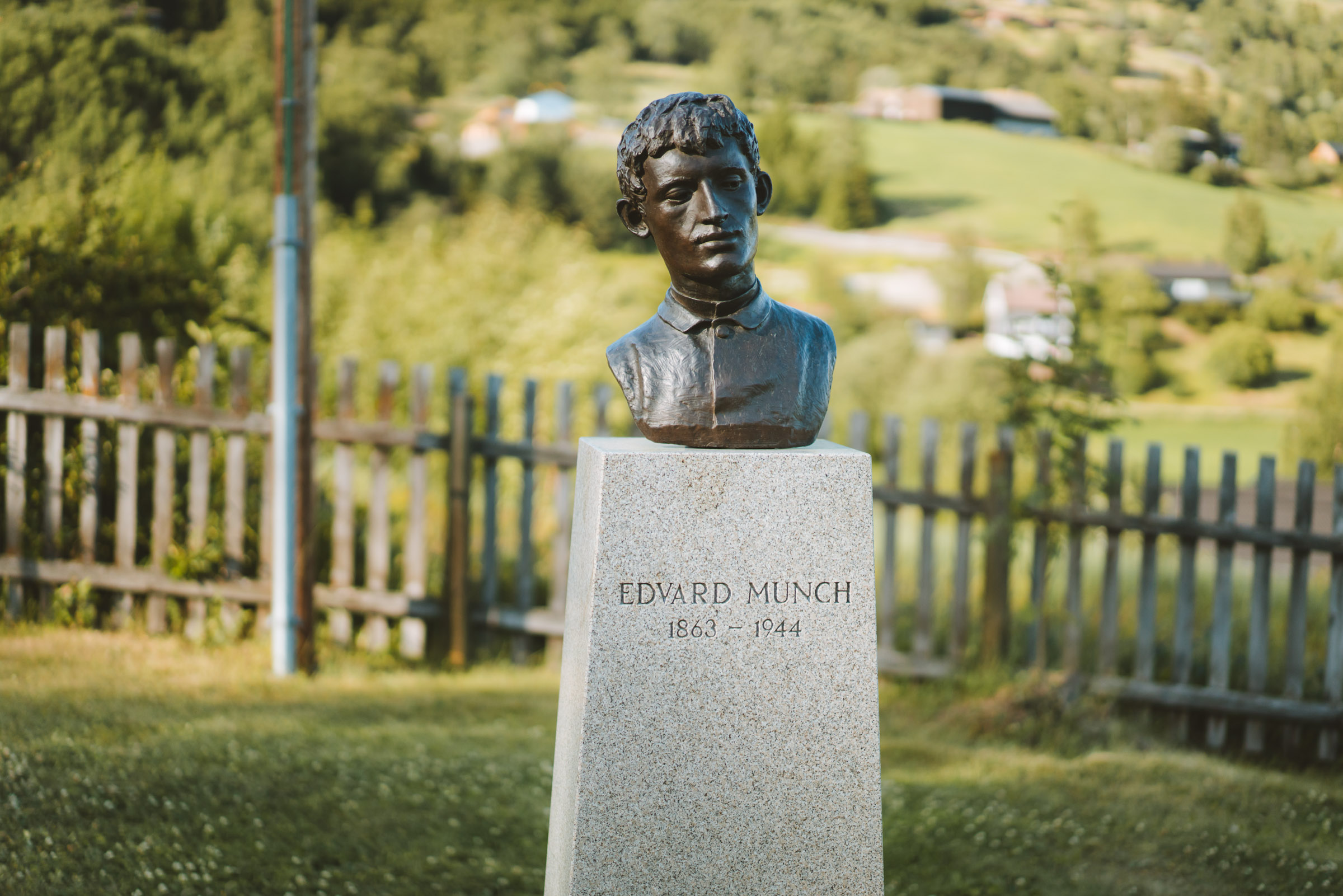
Photo: Bust of Edvard Munch at Ullinsvin
“I must travel to the mountains to regain strength,” Edvard Munch wrote in a letter in 1930, and perhaps it was his deep roots in Innlandet’s mountain landscape that drew him.
For even though the most famous part of Munch’s life story unfolds in Åsgårdstrand and later at Ekely in Oslo, his connection to Innlandet, and especially Løten and Vågå, constitutes a fascinating and often underestimated part of his life and artistic development. Although he spent most of his life elsewhere, the memories and impressions from his childhood in Løten and his wanderings in his ancestors’ footsteps remained a source of inspiration throughout his career.
Childhood paradise in Løten
Edvard Munch was born on December 12, 1863, at the Engelaug Østre farm in Løten. His father, Christian Munch, served as a doctor at Tofsrudmoen, and the family lived on the second floor of the farm. Edvard was born frail and was therefore baptized at home shortly after birth. The baptism was later confirmed in Løten Church on April 15, 1864. The family moved to Kristiania (now Oslo) when Edvard was ten months old, after his father got a new position as a doctor there.
Despite the early move, Munch maintained a strong bond with Løten. He spent several summers in the area, especially with the Thingstad family at Engelaug Østre. In a letter to his father from the summer of 1875, the then 11-year-old Edvard describes carefree days filled with fishing in the Svartelva river, jumping in the hay, and playing. These experiences gave him a sanctuary and a childhood paradise he never forgot.
Inspired
His stays in Løten had a lasting impact on Munch’s art. The light, the landscape, and the people he met, especially the Thingstad family, inspired several of his works. During a summer stay in 1882, when Munch was 18 years old, he produced a series of drawings of people and landscapes in the area. These early works provide insight into his artistic development and show how his experiences in Løten shaped his expression.
The Munch Center at Klevfos Industrial Museum
To experience Munch’s connection to Løten today, you can visit the Munch Center at Anno Klevfos Industrial Museum in Ådalsbruk. The center focuses on Munch’s childhood and his connection to Løten, with exhibitions and information about his life and work. Visitors can, among other things, see several of his early drawings from Hedmarken and learn about his relationship with the Thingstad family.
It is also possible to listen to the letters Edvard Munch wrote to his father and aunt during his visits to Løten, as well as read the correspondence between the Munch family and their good friends in Ådalsbruk.
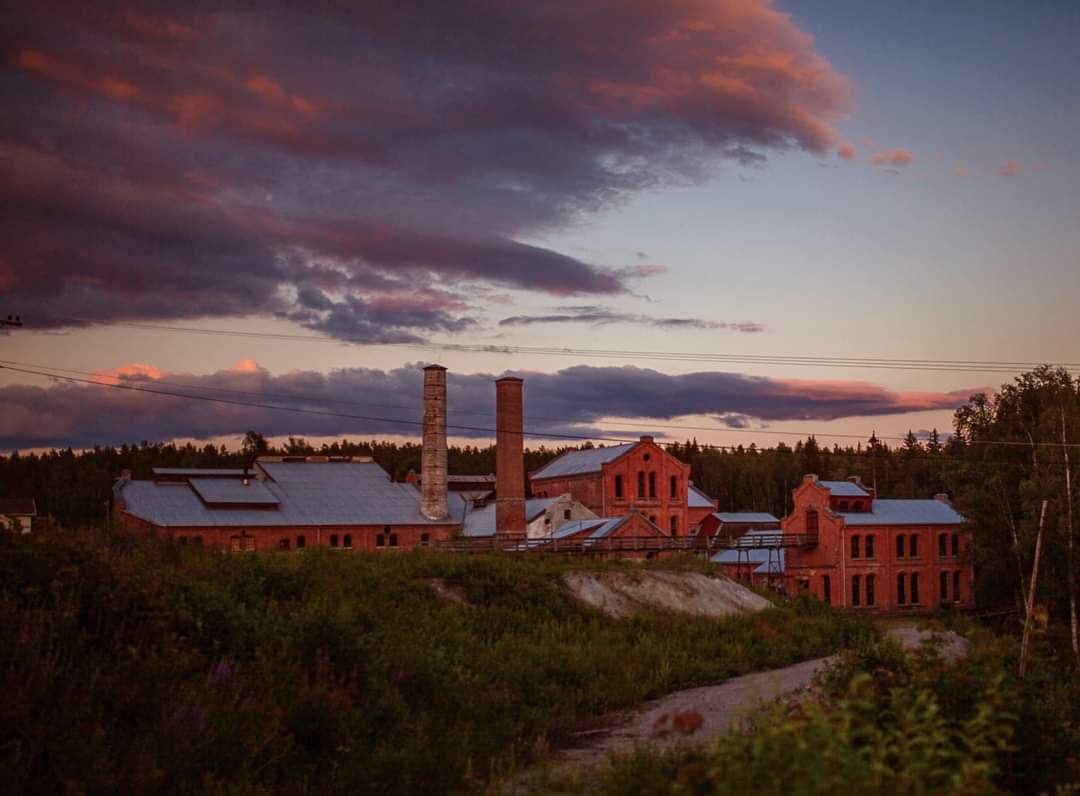
Photo: Klevfos Industrial Museum
A walk in the artist’s footsteps
Edvard Munch not only returned to Løten but also sought out his family’s history through his wanderings in Vågå. These journeys provide a unique insight into the artist’s search for roots, inspiration, and inner peace.
On July 20, 1895, Edvard Munch arrived in Vågå for the first time after a long hike from Gausdal, through Fronsfjella, Sikkilsdalen, and Sjodalen. He walked down Bakselabakken and gazed out over Vågåvatnet lake and Vågåmo. This journey was not only a physical trek but also an inner journey for the artist.
The Munch Trail
Today, you can follow the Munch Trail, a hiking route that takes you through Munch’s journey from Bessheim to Vågåmo. Along the trail, you’ll find information boards that tell about Munch’s experiences and reflections during the journey. This offers a unique opportunity to experience nature as Munch did, and to understand how the landscape influenced his artistic expression. Stop by Lemonsjøen Fjellstue for a good homemade meal and a bed along the way.
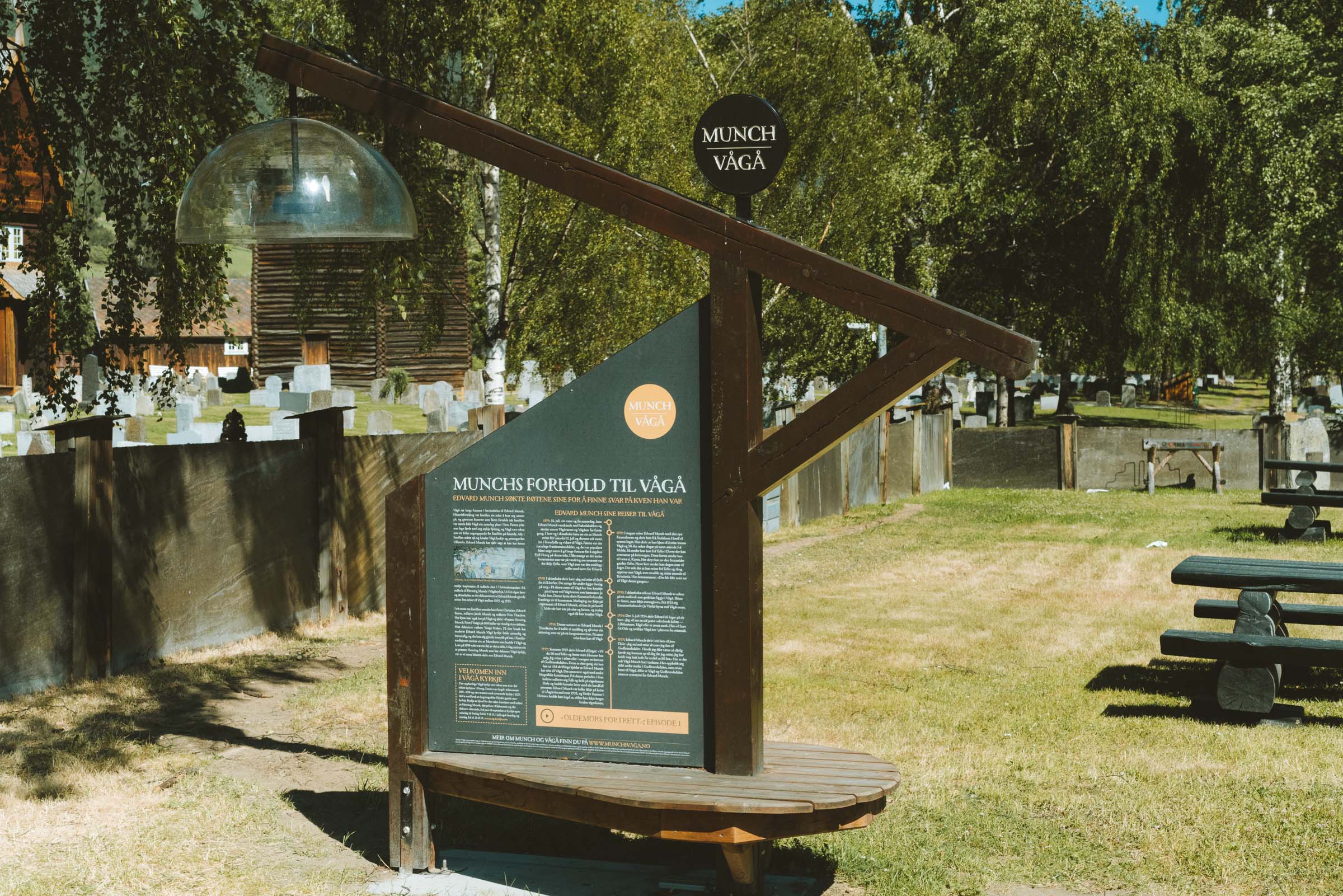
Photo: Munch walk in Vågåmo
Family and belonging
Munch’s connection to Vågå was not accidental. His great-grandparents, Christine Storm Munch and Peder Munch, lived at the rectory Ullinsvin in Vågå for several years. This family connection sparked Munch’s interest in the area and inspired him to explore his roots.
Today, Ullinsvin is a vibrant cultural center with art exhibitions, a recreated Renaissance garden, and Café Edvard, where you can taste great-grandmother Christine’s famous lemon tart. In the garden, you will also find a bust of the young Edvard Munch, made by his fellow student Jo Visdal.
Walk in Vågåmo
Along the Munch Walk in Vågåmo, you can also experience sound showers playing the radio play ‘Oldemor’s Portrett’ (Great-grandmother’s Portrait). The story provides a vivid insight into Edvard Munch’s encounter with Vågå and his family, and is based on the artist’s reflections on heritage and identity.
The sound showers are located at historical sites such as Vågåkyrkja church and the rectory, making the walk both atmospheric and educational – a unique way to get close to Munch’s inner and outer journey.
Summary:
- The Munch Center at Anno Klevfos Industrial Museum: The center focuses on Munch’s childhood and his connection to Løten.
- The Munch Trail: A hiking route from Bessheim to Vågåmo with information boards about Munch’s journey.
- Munch Walk in Vågåmo: Get a glimpse into Edvard Munch’s connection to Vågå by visiting the places he himself visited in Vågå.
- Ullinsvin: Visit the rectory where Munch’s great-grandparents lived, experience art exhibitions, and enjoy delicious flavors in the café.
Walking in Edvard Munch’s footsteps in Innlandet provides a deeper understanding of the artist’s life, his search for identity, and how nature and his family influenced his work. It is a journey through both art and history, through the outer landscape and Munch’s inner world.
The Hamar region offers a unique blend of culinary experiences, gentle landscapes, and historical treasures. Close by and easily accessible.

Local Food and Produce
Our region has a long tradition of welcoming guests to dine. Whether you want to visit one of our cozy restaurants or buy fresh produce grown and refined here. Enjoy!
Mountains and national parks
Miles of open terrain, snow-capped mountain peaks, majestic national parks, and endless possibilities both on and off the beaten track.
Culture during Winter
We have many museums and cultural attractions, and some are open in winter. Check out our top picks for what to experience when you’re in the region.
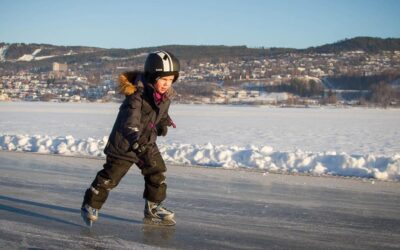
Activities without skiing
Not everyone is born with skis on their feet, and fortunately there are other things to do during winter time. Take a look and get inspired to take the family on something else fun this winter.
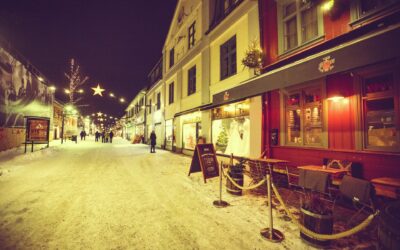
Shopping and Experiences
Hamar and Lillehammer are two charming towns worth visiting. Take your time to explore their delightful town centers.
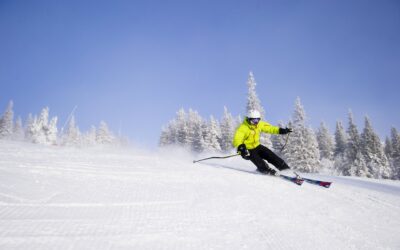
Alpine skiing – fun for the whole family
In Lillehammer and Gudbrandsdalen, you’ll find two of Norway’s largest ski resorts — with slopes for little ones, families, and seasoned skiers alike.

