
Innlandet – where stories live on
From Hamar and up through Gudbrandsdalen lies a landscape rich in history and culture. Here the journey is as much about the stories as it is about the places. You’ll find traces of the Middle Ages, poets and everyday life – a living storytelling tradition visible in landscape and cultural life.
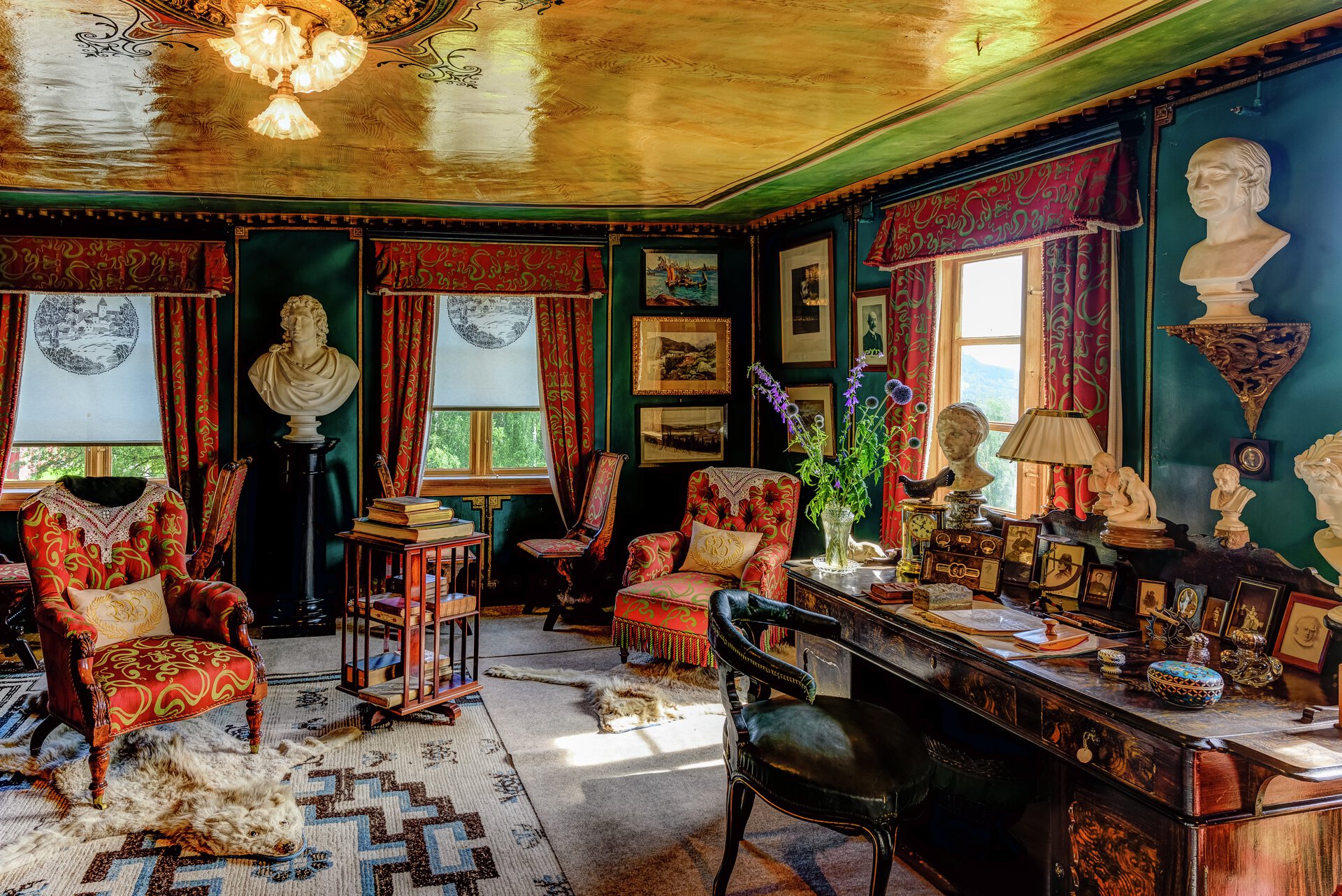
Photo: Ian Brodie – Aulestad
In the landscape of authors
Innlandet has given voice to some of Norway’s most famous authors. Sigrid Undset brought medieval Gudbrandsdal to life in a way that still touches us with her Kristin Lavransdatter. Her home, Bjerkebæk, is located in Lillehammer and is now a museum that provides an intimate glimpse into her life and the thoughts behind her works. Undset received the Nobel Prize in Literature in 1928, and is a pillar in Norwegian literary history. The garden at Bjerkebæk is very beautiful with perennial beds, orchard, herb garden, stone steps, walls and gravel paths, and is actually part of an exclusive, international network of literary parks.
In Gausdal (20 minutes from Lillehammer) famous author Bjørnstjerne Bjørnson and his wife Karoline lived at the farm Aulestad. Bjørnson towered as an author and social debater. He had great international significance and engaged in important political and social issues. The house is lavishly furnished and remains as it was when Bjørnstjerne and Karoline Bjørnson lived here. Around the home is a beautiful historic garden, which has developed continuously since Karoline and Bjørnstjerne Bjørnson moved in.
Every spring, readers, authors and culture enthusiasts gather for the Norwegian Literature Festival in Lillehammer – the largest of its kind in the Nordic region. The festival offers conversations, readings and debates, and shows that literature and storytelling still have a central place in the region’s identity.
Museums that bring stories to life
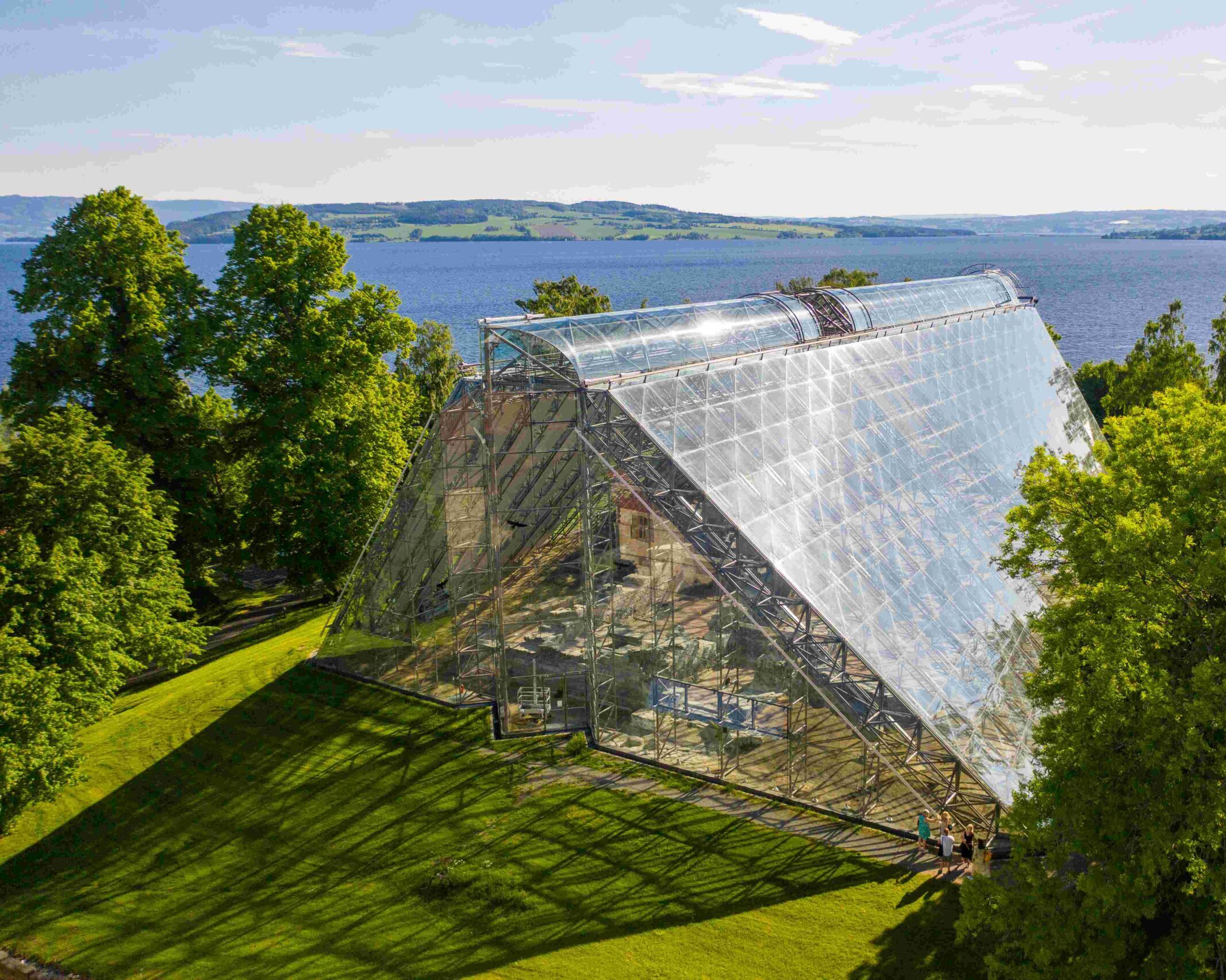
Along the travel route you’ll find several museums that communicate history and culture in an engaging way. At Anno Domkirkeodden in Hamar lie the ruins of a medieval cathedral, a mighty structure that is now enclosed by a modern glass construction. Here past and present meet in a building that both preserves and highlights the old stone church.
The museum contains much more than just ruins. Here you can wander among the folk museum’s historic buildings, see Sverre Fehn’s legendary architecture and exhibitions about urban development and religious life in the old bishop’s fortress, and hear Gregorian chant in the atmospheric surroundings. You can visit the herb garden and learn how the plants were used by monastery brothers and the town’s inhabitants in earlier times.
Anno Norwegian Emigration Museum can be found at Ottestad, just outside Hamar. This is a unique place for those who want to broaden their horizons and understand what it meant to leave Norway and start over in America. It’s fascinating to see this history in connection with migration in today’s society. In the open-air museum you’ll find buildings erected by Norwegian emigrants in the USA, almost like a small village, with school, church and residential and farmhouses. Together with the new main exhibition “Unknown Landscape” they convey a different type of story. Not just the big, national ones, but the small and personal: letters home, daily life, longing and hope. Then and now. One country’s emigrant is another country’s immigrant.
In Lillehammer lies Maihaugen, Norway’s largest open-air museum. Here you can walk from manor farms and mountain dairies to post-war housing and up to the present day. The museum provides insight into how Norwegian society has developed, and each building contains small stories about people and period-typical everyday life. This is a living museum, a place that engages both children and adults. At Maihaugen you’ll also find Norway’s Olympic Museum, where you can experience the highlights from Norwegian Olympic history. The museum gives you a unique insight into Norway’s rich Olympic traditions.
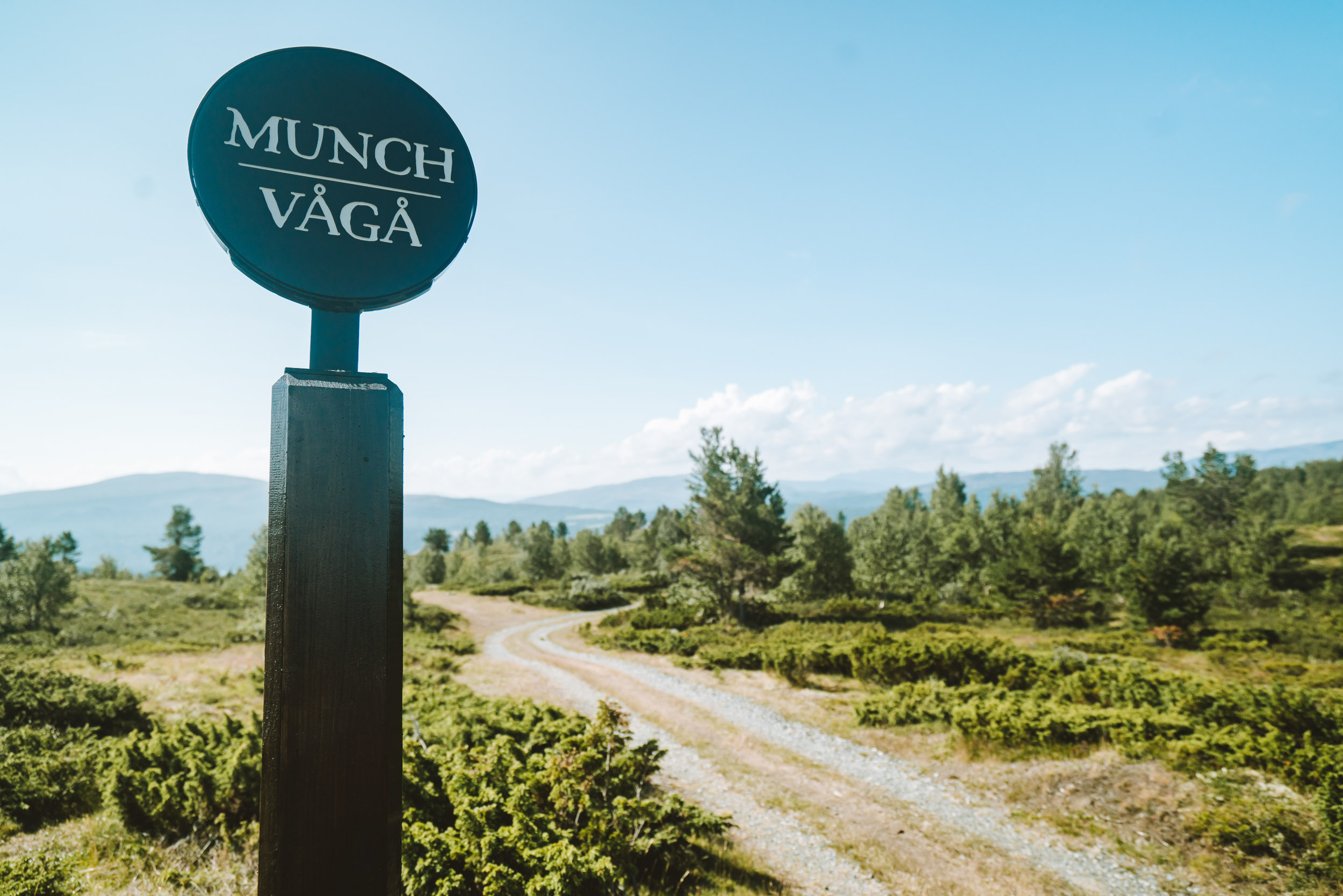
Photo: Munch Trail
Mountains, travel and stories at Gjende
Where the road narrows and the mountains take over, Jotunheimen opens up – and in the middle of the landscape lies Gjende. The emerald green lake is known far beyond Norway’s borders, and is the starting point for some of the country’s most popular hiking trails.
The Gjende boats have transported mountain hikers from Gjendesheim to Memurubu and Gjendebu for over a hundred years. Many use the boat trip as the start or end of the hike over Besseggen – a stone ridge with magnificent views that has become a classic for both experienced and first-time hikers. Sitting in the boat across Gjende, with mountain walls on both sides and clear air on your face, is an experience in itself. It’s easy to understand why many experience peace and contemplation here – the landscape invites both silence and reflection.
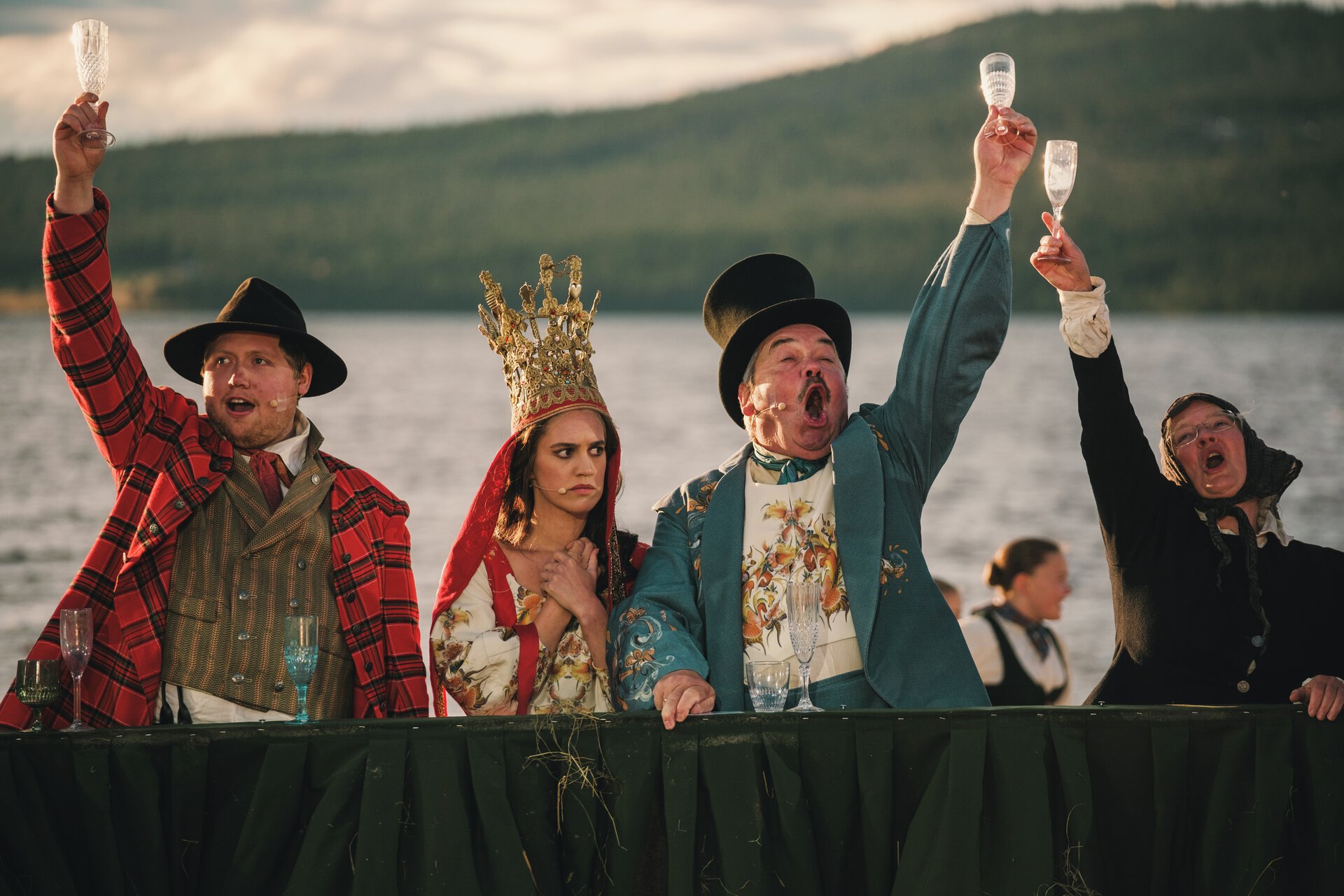
Ibsen’s Peer Gynt dreams his way through this landscape – an expression of how nature here has inspired both authors and artists for generations. Don’t miss the spectacular cultural festival Peer Gynt which is held annually in early August.
From here you can also walk in Edvard Munch’s footsteps on the Munch Trail. The hike starts at Bessheim, where Edvard Munch arrived by boat across Sjodalsvatnet on his walk from Sikkilsdalen to Vågåmo. Along the Munch Trail you’ll get better acquainted with the person and artist Edvard Munch, and experience interesting natural and cultural monuments. Have a good meal or stay overnight at Lemonsjøen Mountain Lodge before finishing in Vågåmo after 53.9 km.
Stories in landscape and lived lives
Innlandet is not just a travel destination – it’s an encounter with something recognizable and close. The stories are found in old buildings and museums, but also in conversations with people, in dialects, in the paths you follow and in the silence that often says more than a thousand words.
This is a region where cultural heritage doesn’t stand still, but finds new expressions – through literature festivals, museum communication, local history and nature-based experiences. Traveling through Innlandet is following a route where past and present constantly touch each other.
Whether you seek peace, inspiration or new knowledge, there’s something to discover – and something to take with you. In Innlandet – where stories live on…
The Hamar region offers a unique blend of culinary experiences, gentle landscapes, and historical treasures. Close by and easily accessible.

Local Food and Produce
Our region has a long tradition of welcoming guests to dine. Whether you want to visit one of our cozy restaurants or buy fresh produce grown and refined here. Enjoy!
Mountains and national parks
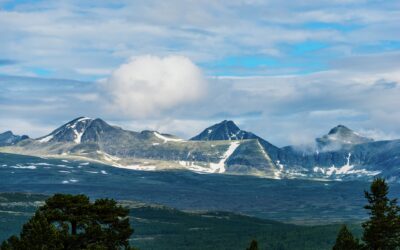
Miles of open terrain, snow-capped mountain peaks, majestic national parks, and endless possibilities both on and off the beaten track.
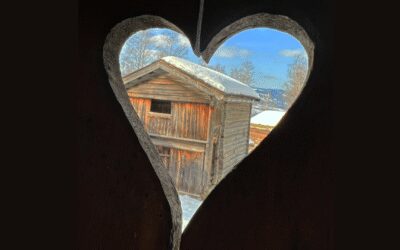
Culture during Winter
We have many museums and cultural attractions, and some are open in winter. Check out our top picks for what to experience when you’re in the region.
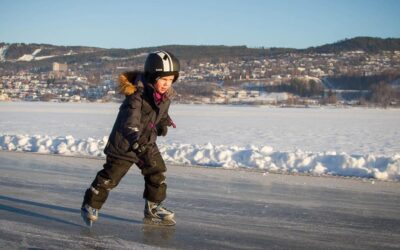
Activities without skiing
Not everyone is born with skis on their feet, and fortunately there are other things to do during winter time. Take a look and get inspired to take the family on something else fun this winter.
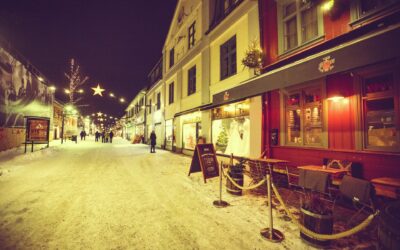
Shopping and Experiences
Hamar and Lillehammer are two charming towns worth visiting. Take your time to explore their delightful town centers.
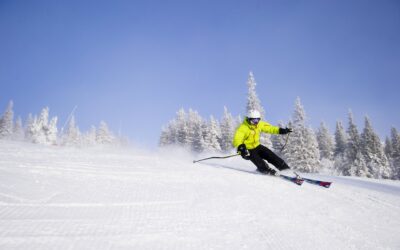
Alpine skiing – fun for the whole family
In Lillehammer and Gudbrandsdalen, you’ll find two of Norway’s largest ski resorts — with slopes for little ones, families, and seasoned skiers alike.

